Liquid capillary blood collection from a single fingerstick

See Product Summary

Health ID MicroDrop™

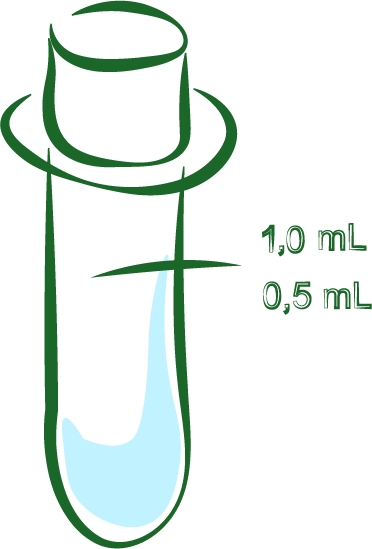
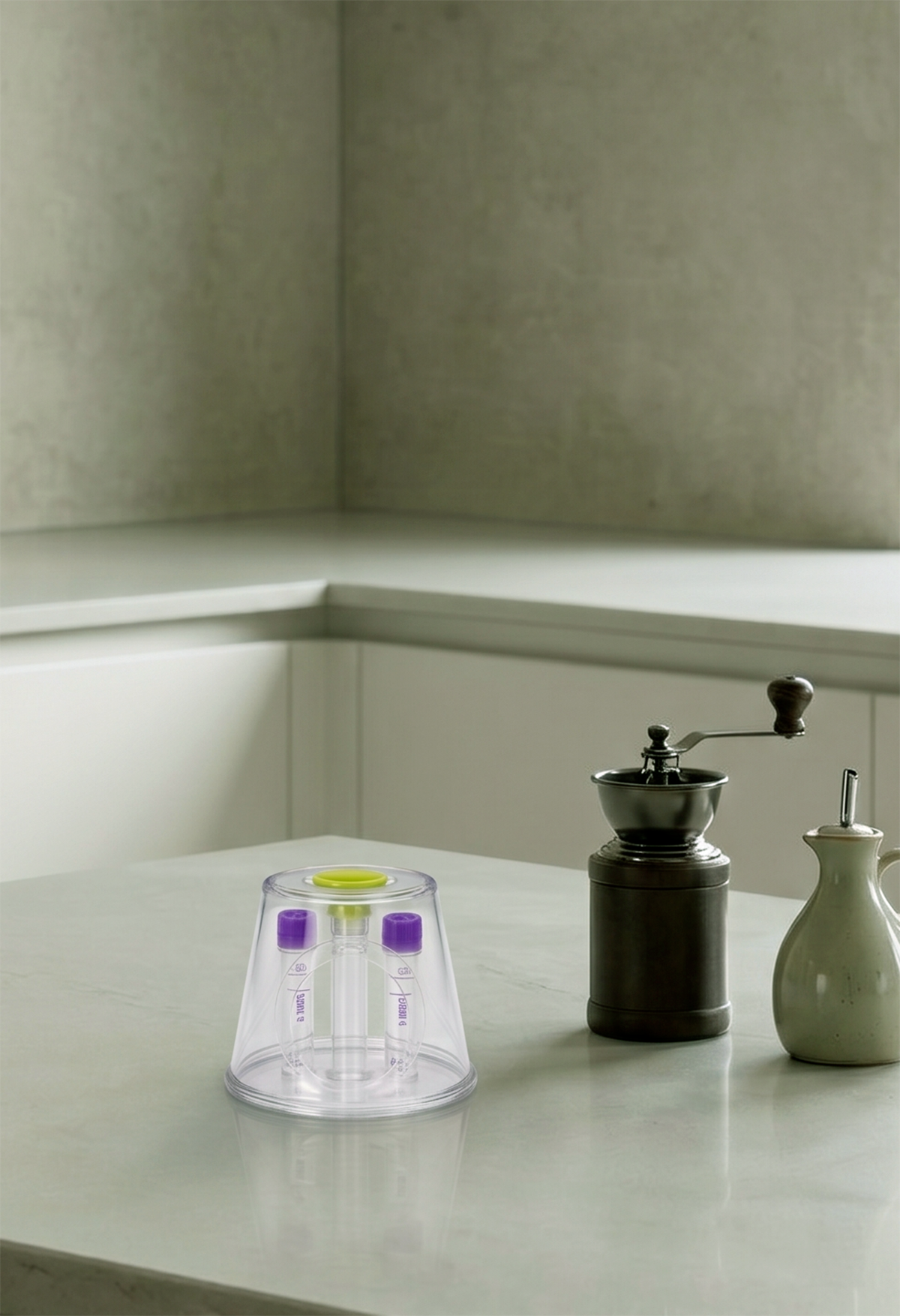
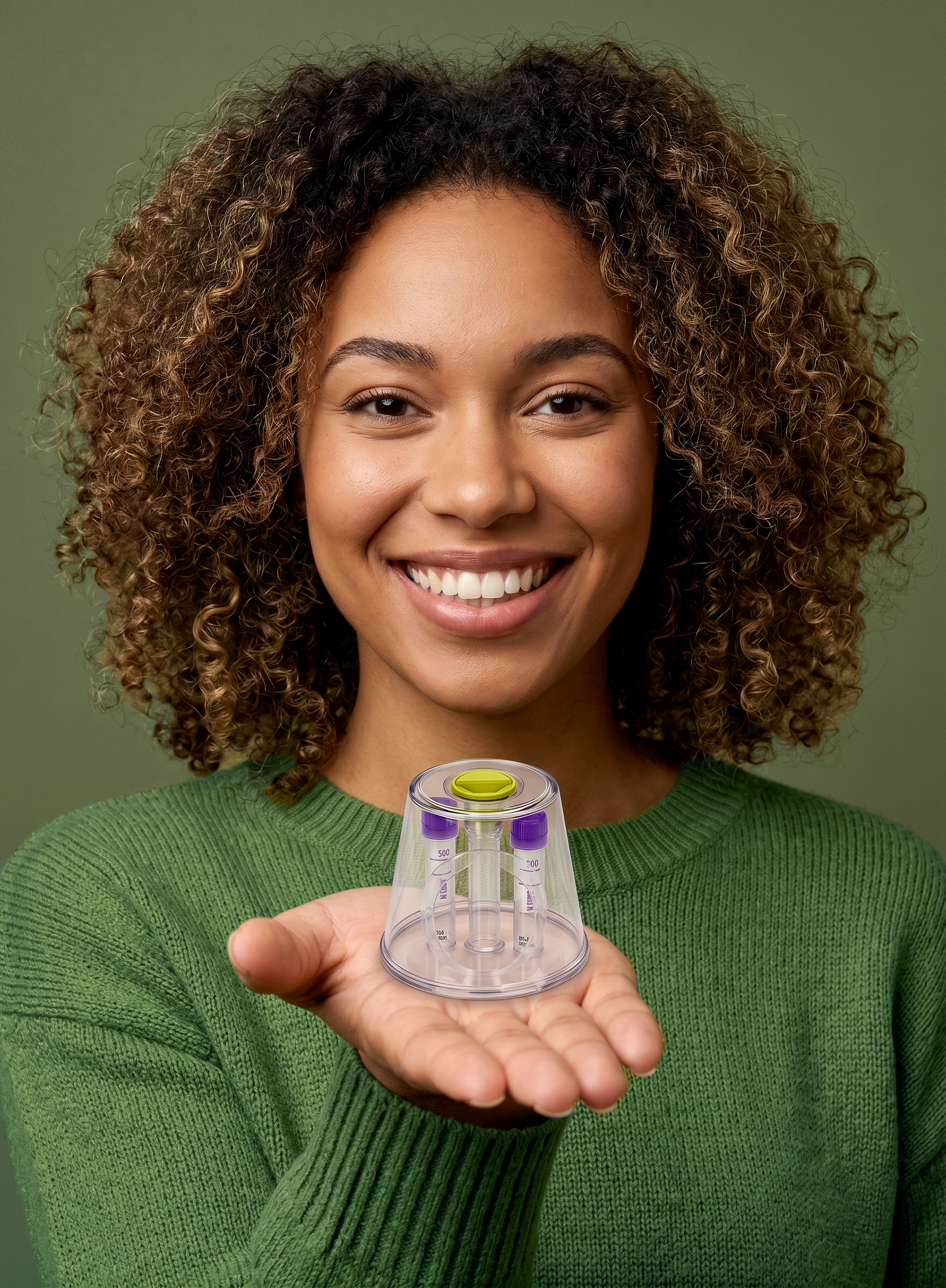
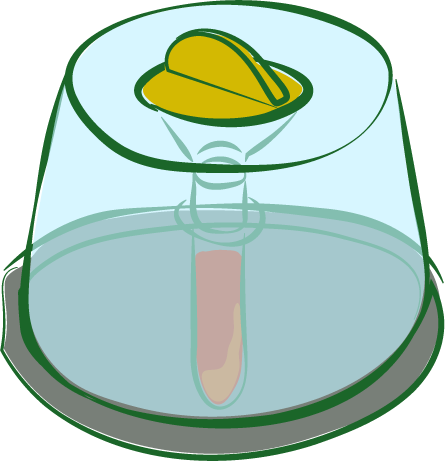
The Health ID MicroDrop™ simplifies liquid capillary blood collection through a guided fingertip approach. After a routine lancet puncture, blood drops are channeled by an integrated funnel directly into a commercial microtube — no venous draw, no specialized site, no complex training. Each collection yields approximately ~0.5 mL/1 mL  of liquid blood, fully compatible with conventional laboratory workflows. The funnel-guided design reduces handling variability, improves transfer accuracy and standardizes a procedure that has historically been operator-dependent. Beyond the collection step, the MicroDrop™ device serves as the secondary transport packaging for the filled microtube, with built-in absorbent material to minimize risk in case of leakage and increase sample-transport safety.
See how it works

Before Collection

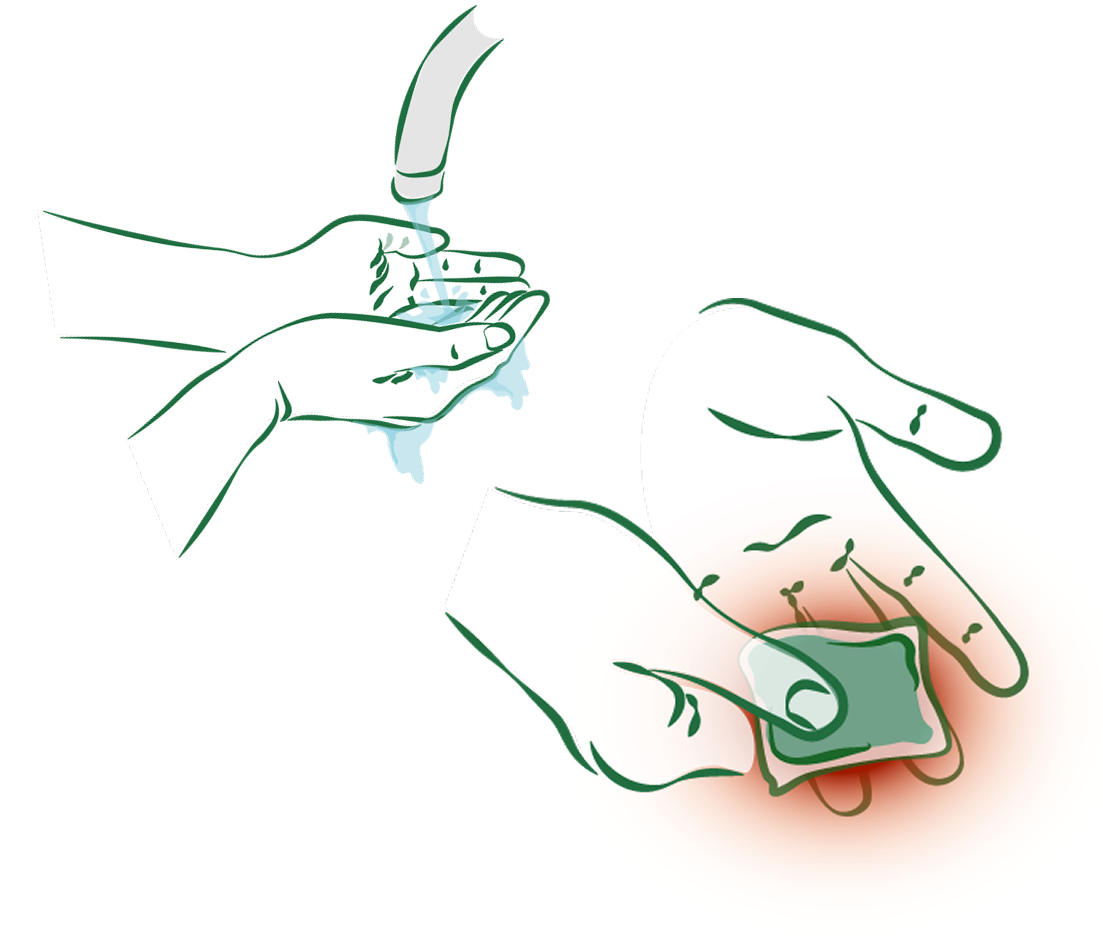
Warm and wash your hands, then prepare the fingertip with the alcohol wipe provided in the kit.
Instructions for use

During Collection

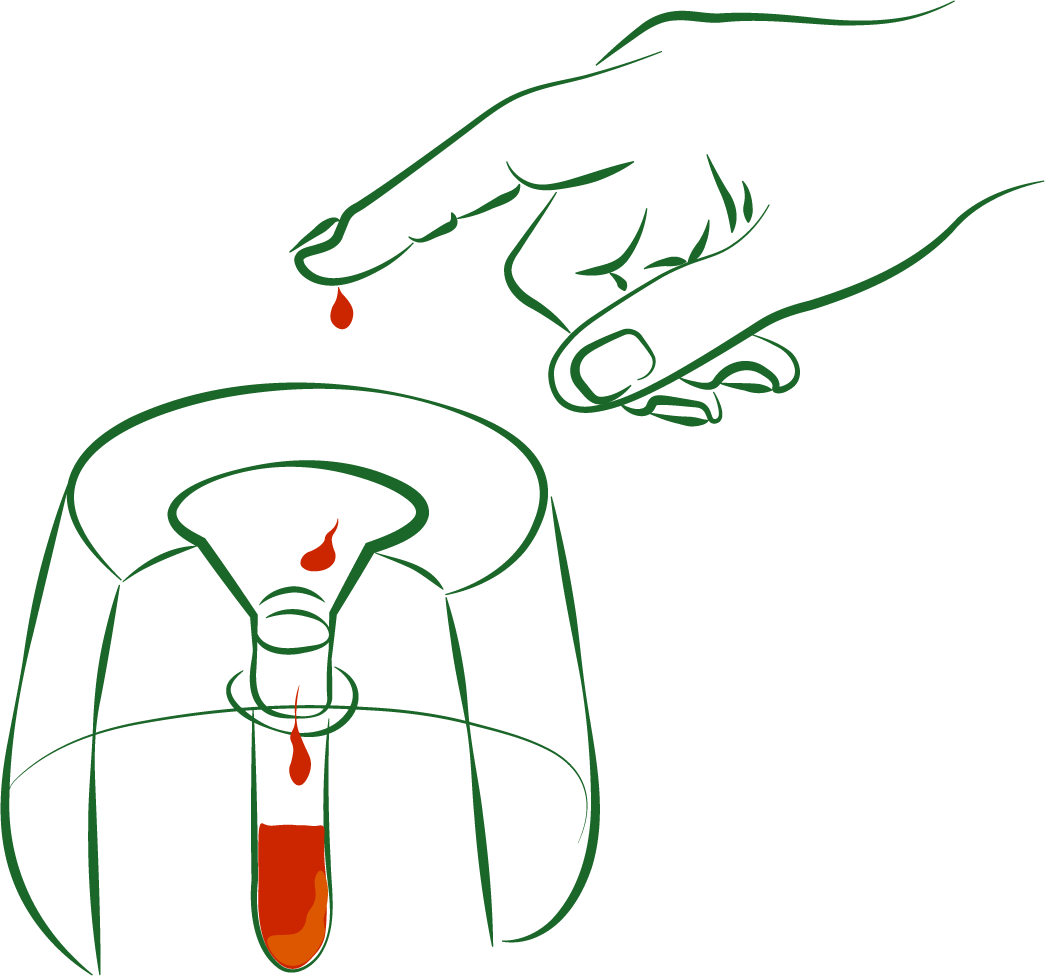
Perform the fingerstick with the kit lancet. Let the blood drops flow through the MicroDrop™ funnel directly into the microtube.
Instructions for use

After Collection

Remove and cap the filled microtube. Place the tubes back inside the case in the designated slots. Seal the funnel and the base with the cap provided. Repeat the procedure with a new tube if additional sample volume is required.

Instructions for use

Device Highlights

~0.5 mL/1 mL liquid blood per collection
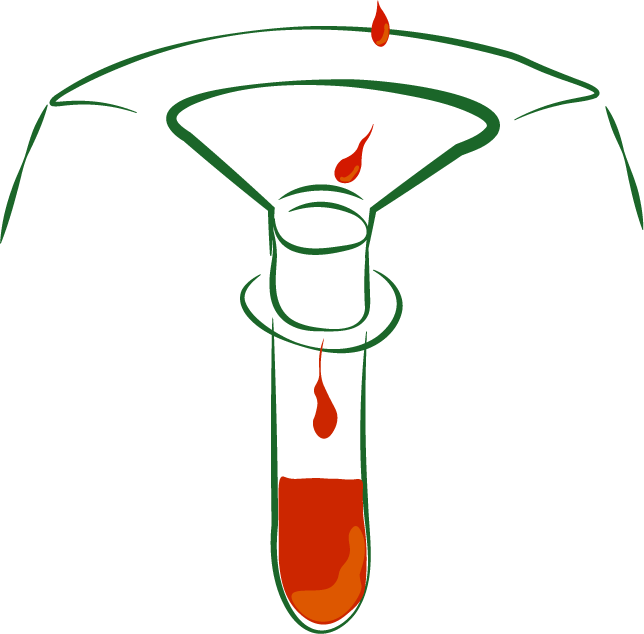
Guided drop-to-tube transfer — reduced handling variability
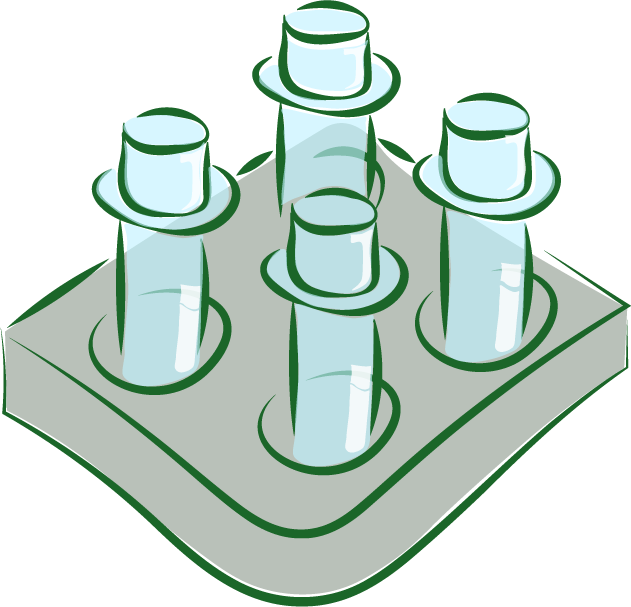
Compatible with commercial microtubes
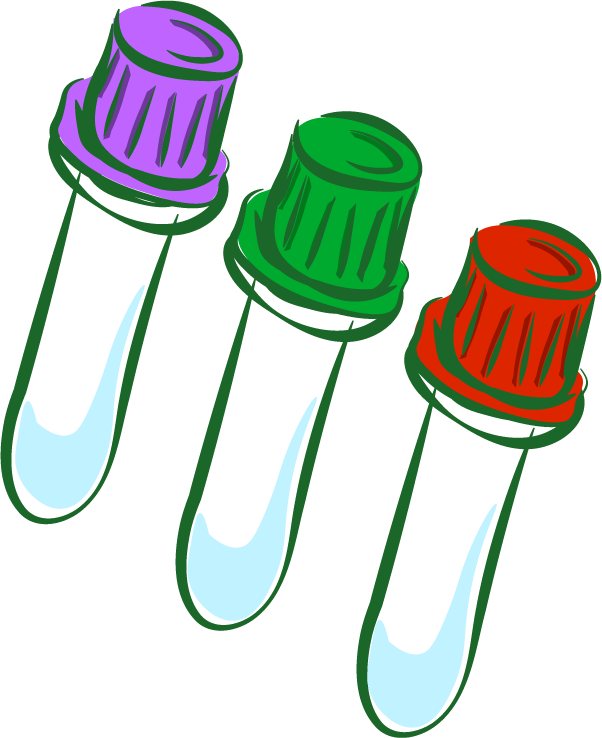
Supports EDTA, Heparin and Serum formats
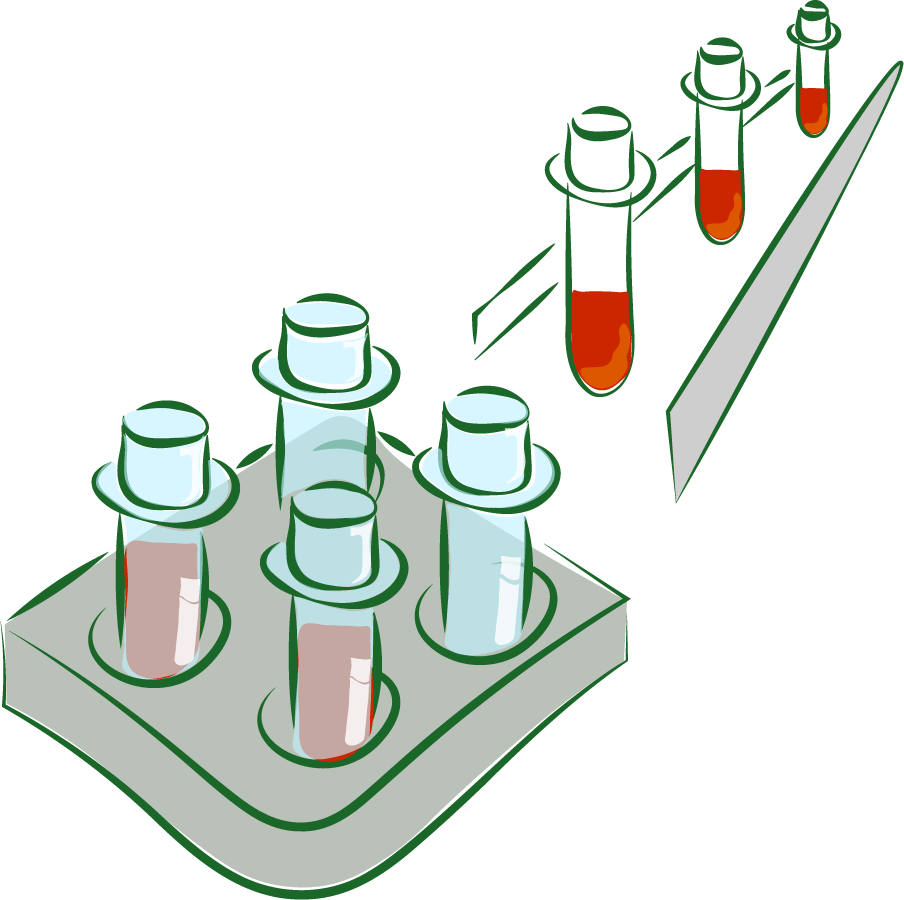
Laboratory-ready liquid samples

Shelf life: 24 months
RUO – Research use only
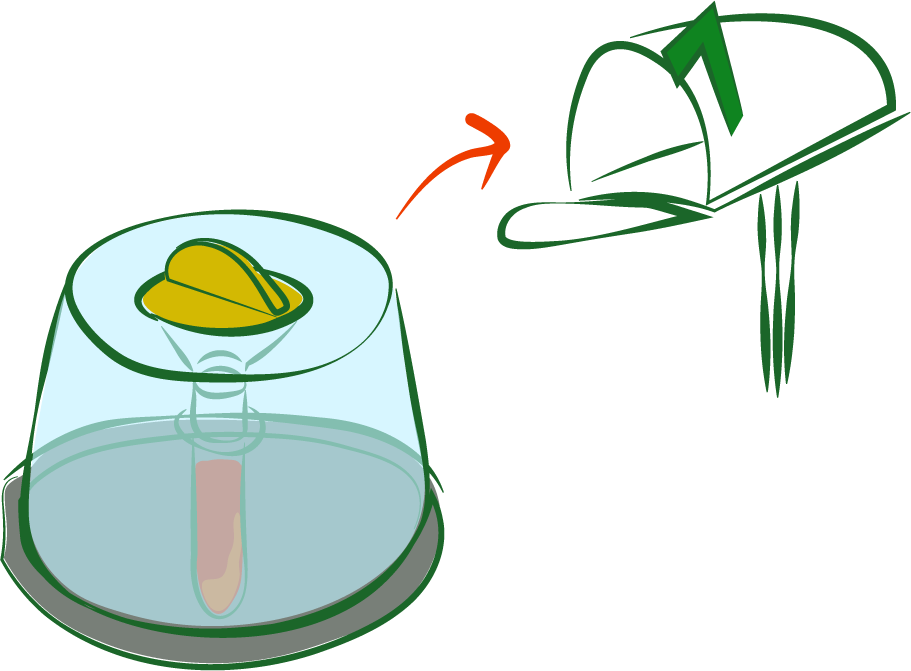
Device doubles as secondary transport packaging

What you need to know

  • How does the collection process work?

    MicroDrop™ uses a familiar fingerstick procedure. After lancet puncture, blood drops flow through an integrated funnel directly into a microtube — enabling controlled, standardized liquid collection without venous access.

  • Is self-collection possible?

    Yes, it is. The procedure is designed to be user-friendly, requiring only a quick fingerstick to extract a few drops of blood. Afterward, just pack the device in the transport pouch and send it off. No special storage or complex shipping logistics are needed.

  • Can more than one tube be collected?

    No, specialized logistics are not necessary. After collection, the sample dries within the device, with desiccants and oxygen scrubbers ensuring long term stability. The device desing minimizes contamination risks and enables safe shipping using standard transportation methods.

  • Is specialized logistics required?

    After applying 4 drops of blood, an average of 18.4 µL of plasma was recovered on an 85 mm² dried separation membrane, with a coefficient of variation (CV%) of 18.8%. Use of a correction analyte is recommended for optimal accuracy.


    The device’s analytical performance has been validated for cholesterol, HDL-cholesterol, triglycerides, and creatinine. With chloride concentration normalization, inter-assay imprecision ranged from 2.89% to 4.99%, and intra-assay imprecision from 3.29% to 4.85%. The mean bias for estimated serum concentrations from dried plasma measurements ranged between -0.74 and 1.64%.


    No statistically significant differences were observed in corrected concentrations for blood volumes of 160, 200, and 240 µL. Similarly, samples with hematocrit levels of 30% and 50% showed no significant differences compared to the reference hematocrit of 40%.


    Analyte stability is confirmed for at least 14 days at 40°C when stored within the device’s protective pouch.


    Additional validation studies are ongoing.

  • When is MicroDrop™ most beneficial?

    Home collection programs, laboratory at-home kits, remote patient monitoring, chronic disease follow-up, and any scenario in which a venous draw is impractical or unavailable.

Publications & News

By Amanda P. Bondan, Ana P. Grando, Eduarda M. Reichert, Giovana P. Peteffi, Giovanna S. Grassi, Maitê M. Machado, Roberta Z. Hahn, Marina V. Antunes, Eduardo G. Camargo, Mariele F. Charão, Rafael Linden August 15, 2025
This study describes the development and validation of a liquid chromatography-tandem mass spectrometry (LC-MS/MS) method to quantify T in dried plasma spot (DPS) samples obtained from capillary blood using the HealthID PSD microsampling device.
By Jacobson TA, Rahbari KJ, Schwartz WA, Bae Y, Zhang R, Nunes DA, Huang C, Issa RP, Smilowitz K, Yan LD, Hirschhorn LR, Khan SS, Huffman MD, Miller GE, Feinglass JM, McDade TW, Funk WE March 20, 2025
Dried blood spot sampling offers a scalable strategy to close diagnostic gaps and improve global surveillance for cardiovascular‐kidney‐metabolic syndrome. Dried blood spot assays have been developed for biomarkers that offer mechanistic insights including inflammatory and vascular injury markers.
By Isabela Ritter Ott, Debora Renata Macali Oliveira, Ana Paula Grando, Klaus Vogel Frohlich, Magda Susana Perassolo, Rafael Linden & Marina Venzon Antunes May 20, 2024
The study developed and validated a GC-NPD method for the quantification of topiramate (TPM) in capillary dried plasma spots (DPS) obtained using the HealthID PSD microsampling device. The method demonstrated good precision and accuracy, and TPM was shown to be stable in DPS stored at 4°C, 23°C, and 45°C for up to 21 d
See more