
Semi-automated capillary blood collection

See Product Summary

Health ID MicroFlow™

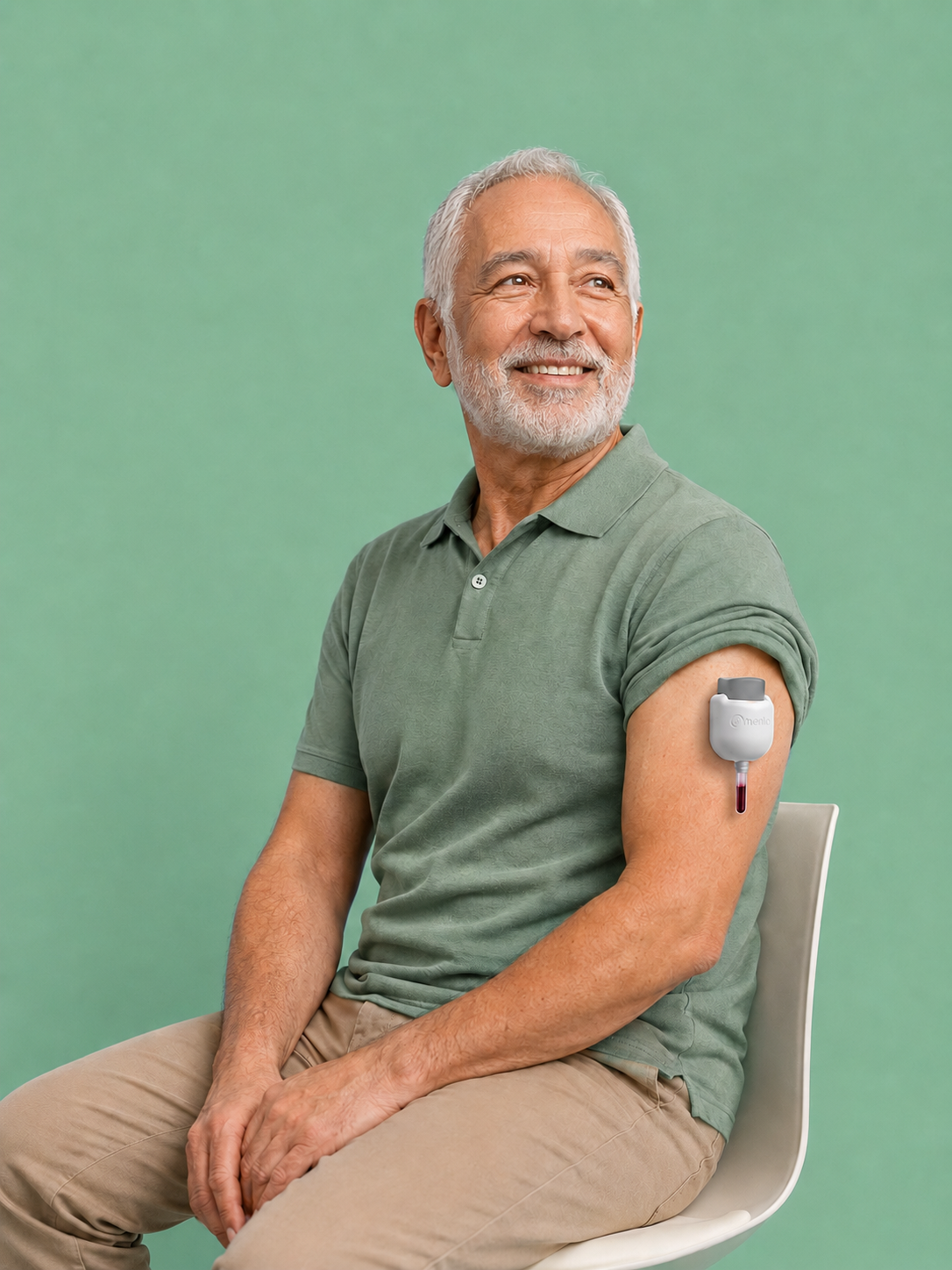
The Health ID MicroFlow™ is a vacuum-assisted liquid blood collection device designed for arm-based capillary sampling — engineered to combine the simplicity of manual procedures with the consistency of automated extraction. The procedure starts with a manual lancet puncture, guided by a positioning template that ensures precise alignment between the incision and the device. Once attached, MicroFlow™ automatically performs controlled vacuum extraction, collecting up to 1 mL of liquid capillary blood directly into a commercial microtube ready for laboratory workflows. By separating puncture and extraction, MicroFlow™ reduces mechanical complexity without sacrificing automation — a strong fit for large-volume, cost-sensitive collection programs.
See how it works

Before Collection

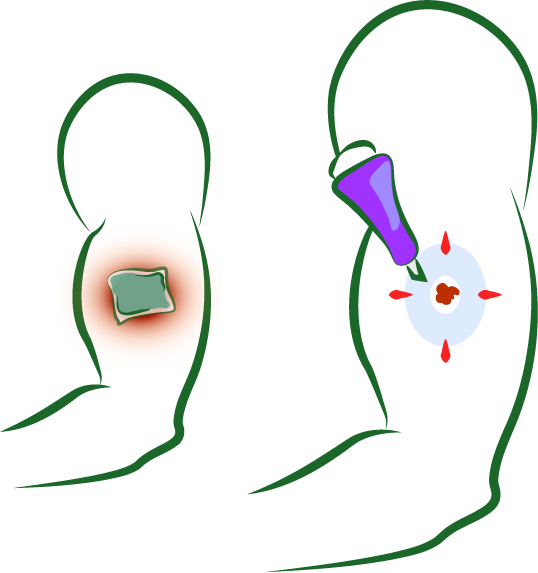
Prepare the skin, apply the positioning template to the upper arm and perform the lancet puncture at the indicated location.

Instructions for use

During Collection

Attach the MicroFlow™ to the template and press the activation button. Vacuum-assisted extraction runs automatically.

Instructions for use

After Collection

Remove the device from the upper arm. Afterwards, remove the filled microtube and prepare the sample for transport to the laboratory.

Instructions for use

Device Highlights

Up to 1mL of liquid capillary blood per collection
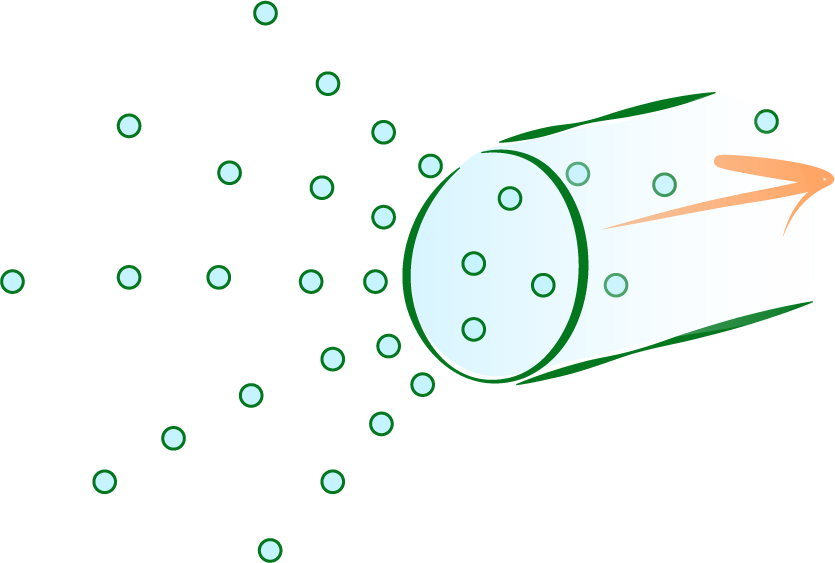
Vacuum-assisted liquid extraction

Manual lancet with guided positioning template

Standardized liquid samples in commercial microtubes
Compatible with EDTA, Heparin and Serum

Reduced mechanical complexity

Shelf life: 24 months

RUO – Research use only

What you need to know

  • How does MicroFlow™ differ from fully automated devices?

    MicroDrop™ uses a familiar fingerstick procedure. After lancet puncture, blood drops flow through an integrated funnel directly into a microtube — enabling controlled, standardized liquid collection without venous access.

  • Is self-collection possible?

    MicroFlow™ is primarily designed for assisted or guided environments but can be adapted for supervised home programs with appropriate training and kits.

  • Why is a positioning template needed?

    The template ensures precise alignment between the puncture site and the device seal — improving collection consistency and success rate.

  • Which sample formats are supported?

    Liquid capillary blood in commercial microtubes — including EDTA, Heparin, Serum and other additives, per laboratory protocol.

  • When is MicroFlow™ most beneficial

    Large-scale collection programs, laboratory networks, decentralized clinical studies, cost-sensitive deployments and any scenario where automated extraction must be paired with simplified mechanics.

Publications & News

By Amanda P. Bondan, Ana P. Grando, Eduarda M. Reichert, Giovana P. Peteffi, Giovanna S. Grassi, Maitê M. Machado, Roberta Z. Hahn, Marina V. Antunes, Eduardo G. Camargo, Mariele F. Charão, Rafael Linden August 15, 2025
This study describes the development and validation of a liquid chromatography-tandem mass spectrometry (LC-MS/MS) method to quantify T in dried plasma spot (DPS) samples obtained from capillary blood using the HealthID PSD microsampling device.
By Jacobson TA, Rahbari KJ, Schwartz WA, Bae Y, Zhang R, Nunes DA, Huang C, Issa RP, Smilowitz K, Yan LD, Hirschhorn LR, Khan SS, Huffman MD, Miller GE, Feinglass JM, McDade TW, Funk WE March 20, 2025
Dried blood spot sampling offers a scalable strategy to close diagnostic gaps and improve global surveillance for cardiovascular‐kidney‐metabolic syndrome. Dried blood spot assays have been developed for biomarkers that offer mechanistic insights including inflammatory and vascular injury markers.
By Isabela Ritter Ott, Debora Renata Macali Oliveira, Ana Paula Grando, Klaus Vogel Frohlich, Magda Susana Perassolo, Rafael Linden & Marina Venzon Antunes May 20, 2024
The study developed and validated a GC-NPD method for the quantification of topiramate (TPM) in capillary dried plasma spots (DPS) obtained using the HealthID PSD microsampling device. The method demonstrated good precision and accuracy, and TPM was shown to be stable in DPS stored at 4°C, 23°C, and 45°C for up to 21 d
See more